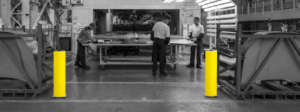
TÜV-tested, PAS 13-compliant polymer bollards designed to absorb impacts, protect infrastructure, and reduce downtime and repair costs.
Request a Quote
TÜV-tested, PAS 13-compliant polymer bollards designed to absorb impacts, protect infrastructure, and reduce downtime and repair costs.
Request a Quote
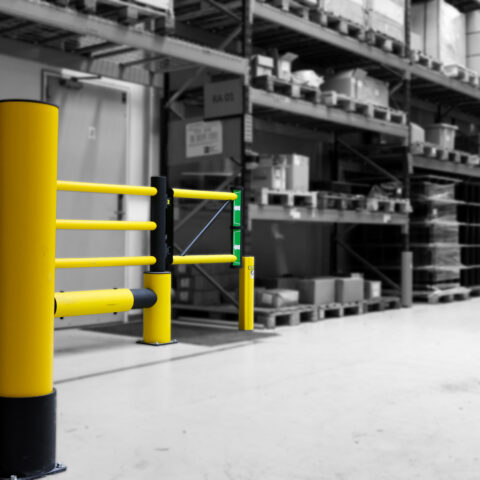
Fast Installation & Reconfiguration
TÜV Certified & PAS 13 Compliant
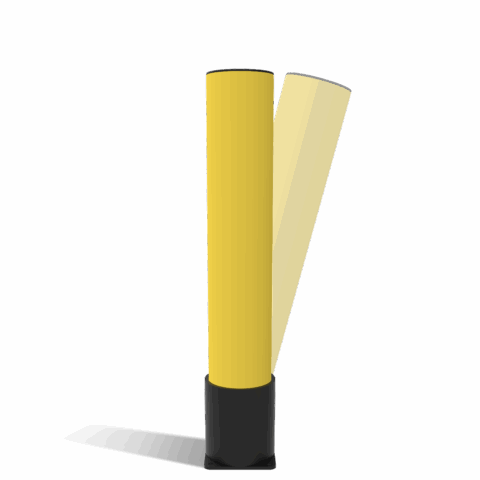
Engineered to Absorb Impact
Our polymer bollards are designed to work alongside barriers, rack protection, pedestrian gates, and machine guarding systems which help create coordinated protection layouts across warehouse and industrial environments.
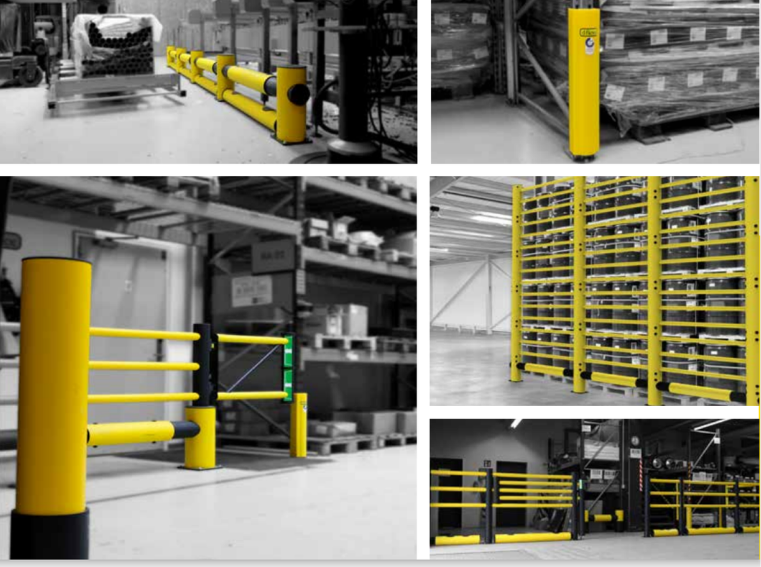
We provide a coordinated range of warehouse protection solutions designed to work together as one integrated system, helping you apply the right level of protection across vehicle routes, pedestrian areas, storage zones, and building assets.
• Protection across multiple warehouse risk zones
• Solutions for vehicles, pedestrians, storage, and infrastructure
• Systems designed for consistent site-wide application
• Protection aligned to different impact requirements
Steel barriers are rigid and tend to transfer collision forces directly into anchors and concrete, which can lead to permanent deformation and floor damage. Polymer barriers are designed to flex and absorb impact energy, reducing force transfer to the floor and returning to shape after impact, which helps lower long‑term maintenance and downtime.
Yes. Certain ranges of flexible barriers are specifically engineered for areas exposed to forklift and other industrial vehicle traffic, including doorways, loading docks, machinery zones and pedestrian interfaces. These systems are tested in accordance with PAS 13 impact performance guidelines, ensuring reliable protection in high‑traffic industrial environments.
For doorway areas exposed to forklift or industrial vehicle traffic, a high‑impact flexible barrier — typically in a bollard format — is the most suitable option. These barriers are tested to withstand impacts up to 6,500 J, making them ideal for protecting busy entry points such as doorways and loading zones.
Yes. Flexible polymer barriers are highly resistant to weather, UV exposure, temperature changes and corrosion, making them suitable for both indoor and outdoor environments.
Yes. Flexible barriers are suitable for cold-room and subzero environments. Polyethylene-based materials used in these systems are designed for reliable performance at low temperatures, with a wide operating range of -40°C to +50°C.
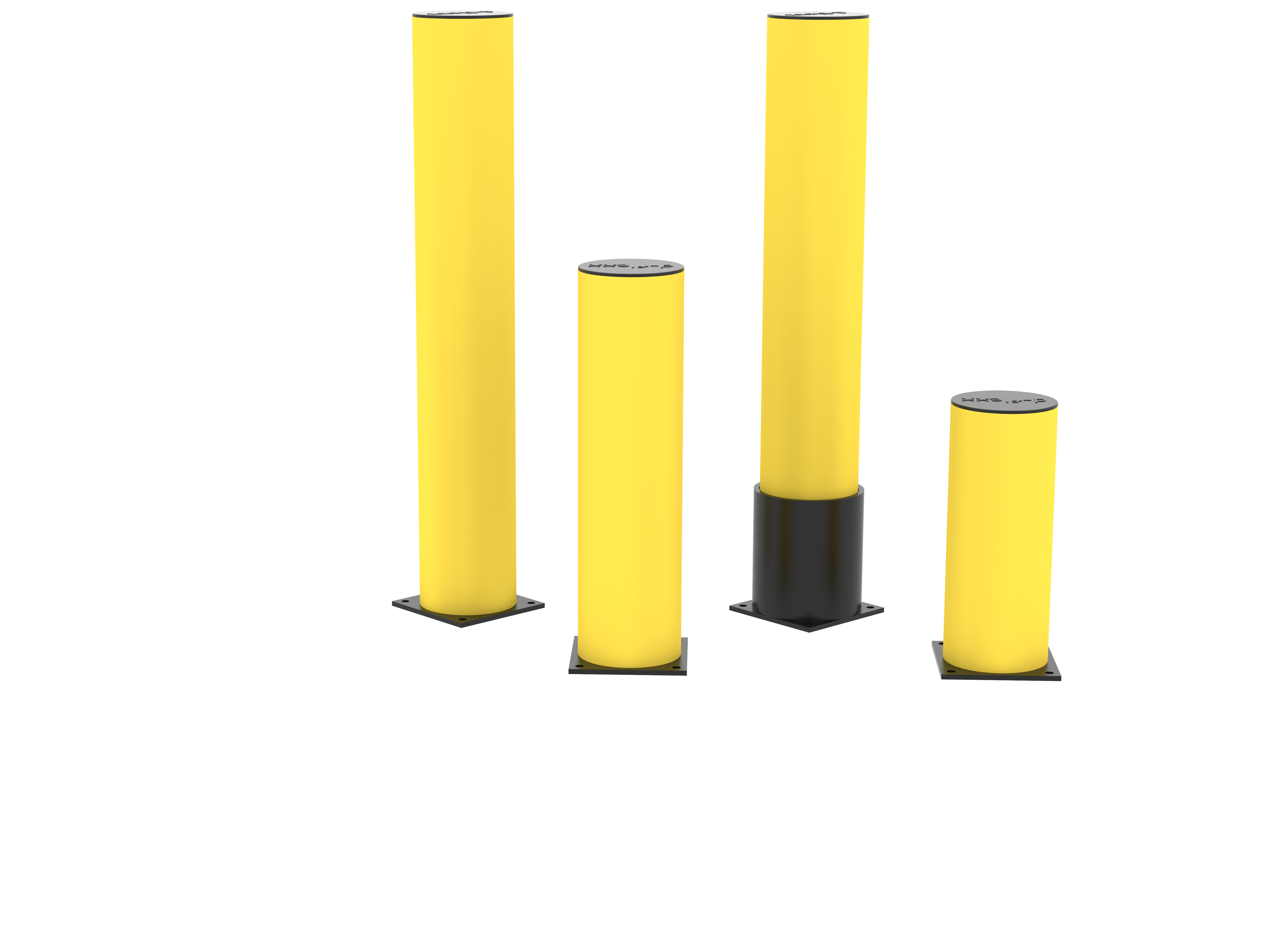
Our polymer bollards are engineered for different risk levels, depending on whether the goal is impact protection or visual guidance.
High‑impact protection: tested up to 6,500 J for forklift/MHE traffic near assets and pedestrian interaction points.
Light‑duty / visual guidance: tested to 1,500 J for marking edges and preventing minor bumps and scuffs
Flexible polymer barriers deform on impact, absorbing energy rather than transferring it directly into the floor or anchors. This means:
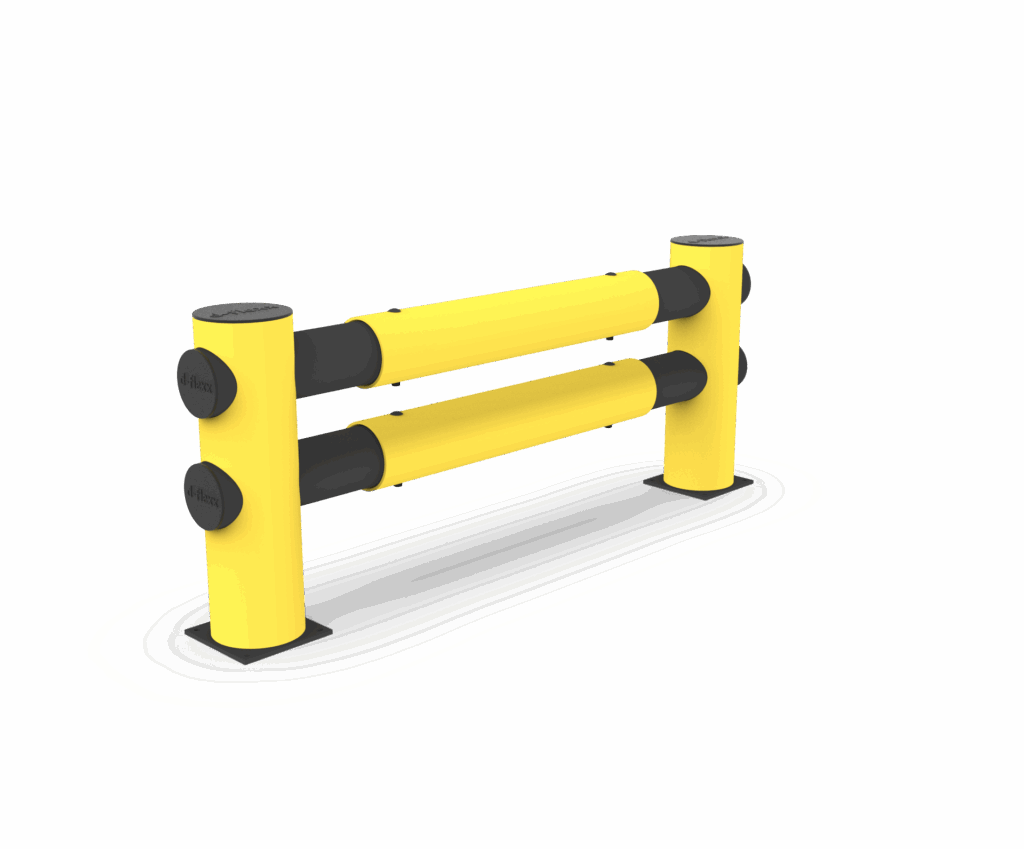
Flexible barriers are available in:
This allows the entire system to be tailored to meet specific site requirements or unique protection needs
Yes. The barriers are tested in accordance with recognised impact performance guidelines such as PAS 13, ensuring they meet industry expectations for safety and reliability.
Flexible barriers are designed for quick, straightforward installation using included fixings. They typically mount directly to concrete floors using concrete screws and do not require specialised tools, helping streamline installation and reduce operational disruption.
.

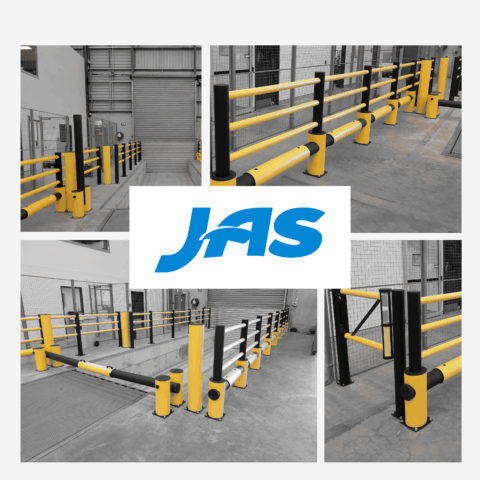
“Troax brought our vision of a safer, more secure facility. The team at Troax demonstrated exceptional professionalism and expertise. Their deep product knowledge made all the difference.”
Shane Felice, JAS Worldwide Branch Manager
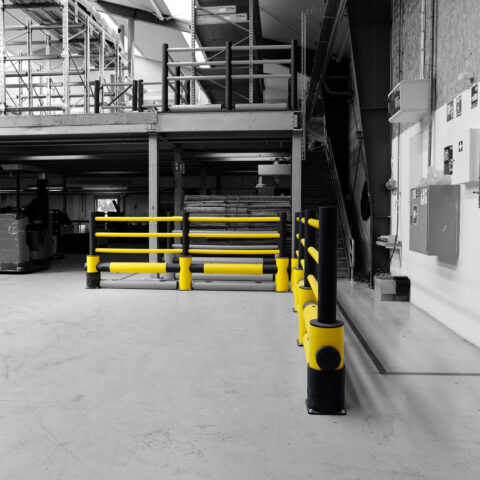
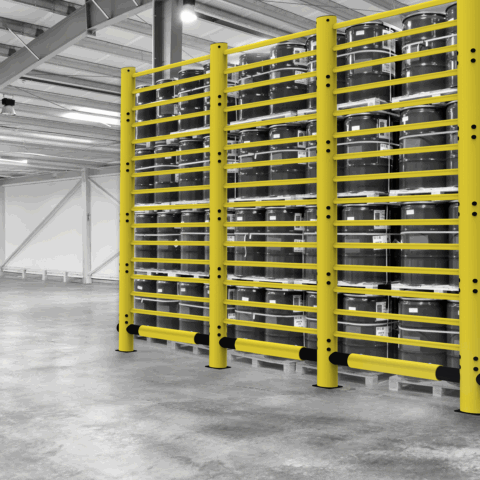
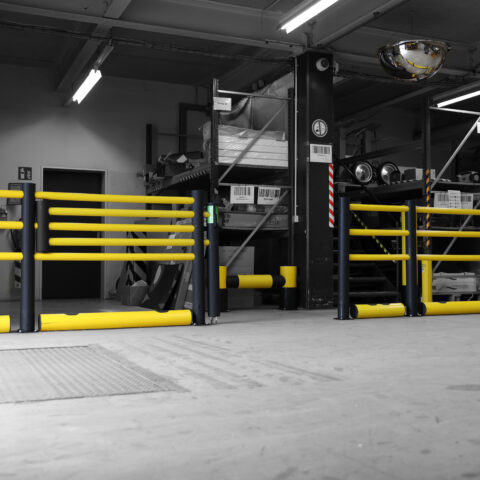
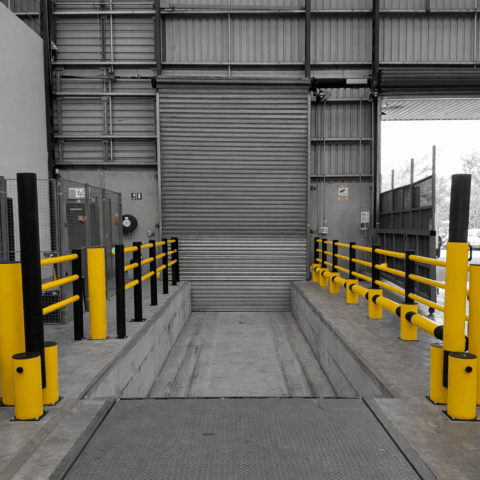
Pedestrian Segregation
Rack and Storage Protection
Wall and Gate Protection
Dock Gate Entrance Protection
Our team will review your layout, recommend the right impact protection, and provide a tailored quote.